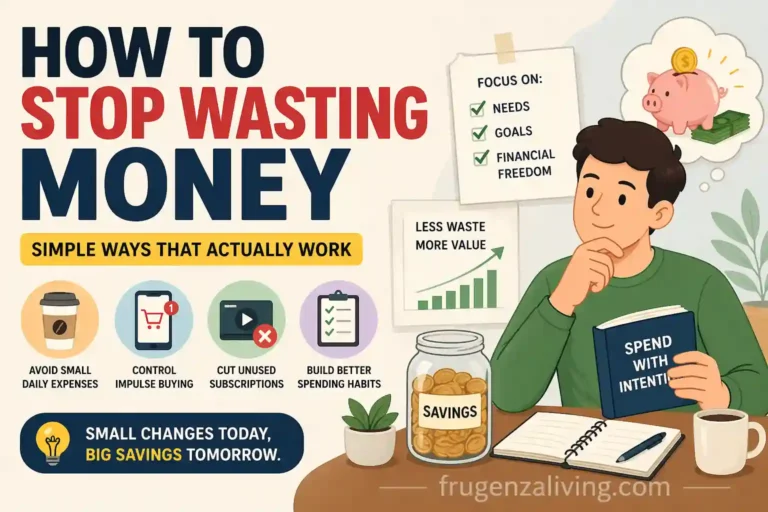
Most people don’t waste money on purpose.
It usually happens in small, ordinary moments—ordering food when you’re tired, adding something to your cart because it’s “not that expensive,” or forgetting about subscriptions you barely use.
Individually, these don’t feel like mistakes.
But over time, they quietly add up.
If you’re trying to figure out how to stop wasting money, the real goal isn’t strict budgeting—it’s learning how to notice where your money goes when you’re not paying attention.
A better way to look at money waste is not “Was this cheap or expensive?” but “Did this purchase actually serve a purpose after I bought it?”
Some purchases look reasonable in the moment but become waste later because they are barely used, quickly forgotten, duplicated by something you already own, or bought only to solve a temporary feeling.
That is why stopping money waste is less about saying no to everything and more about building a feedback loop.
You notice what happened, understand why it happened, and change the next decision. The goal is not perfect spending. The goal is fewer repeated mistakes.
What Wasting Money Really Means
Wasting money doesn’t always look like a bad decision.
Most of the time, it feels reasonable.
It’s choosing convenience after a long day. It’s buying something small because it feels harmless. It’s saying “just this once” more often than you realize.
That’s what makes it difficult to notice.
The problem isn’t the amount—it’s the pattern.
The Real Definition of Money Waste
Money waste is not always the same as spending on fun.
A purchase can be enjoyable and still be worth it if you use it, remember it, or feel good about it later. The real problem is spending that gives you little value after the moment has passed.
A good way to define waste is this: money is wasted when the purchase is forgotten, unused, regretted, duplicated, or repeated without intention.
This could be a subscription you do not open, food that goes bad, a sale item you never use, a convenience purchase that happens too often, or a small treat that no longer feels special because it has become automatic.
This definition helps you stop judging every purchase emotionally. Instead of asking, “Should I feel guilty about this?” ask, “Did this purchase actually earn its place in my life?”
That question makes the article more practical because it separates intentional spending from spending that only looked reasonable for a few minutes.
Why You Keep Wasting Money Without Realizing It
The Role of Decision Fatigue
After a long day, your mental energy drops.
You don’t want to compare options, plan meals, or think too much. So you default to the easiest choice—and that usually costs money.
This is known as decision fatigue, and it plays a major role in everyday spending.
The more decisions you make, the more likely you are to choose convenience over intention.
Impulse Spending Triggers
Most spending isn’t planned—it’s triggered.
Common triggers include:
- stress or emotional fatigue
- boredom
- limited-time offers
- social influence
These triggers don’t feel dangerous, but they create a pattern of quick decisions that add up over time.
Where Most Money Gets Wasted
It’s rarely your biggest expenses.
It’s everything in between.
- takeout and convenience food
- unused subscriptions
- small online purchases
- daily “extras” that don’t feel important
Each one feels minor.
Together, they create a steady leak.
The Purchase Autopsy Method
If you want to stop wasting money, do not only look at what you bought. Look at what happened before and after the purchase. This is the purchase autopsy method.
Start with three questions. What triggered the purchase? What problem was I trying to solve? Did the purchase still feel worth it after a few days?
This method works because waste usually has a pattern. You may buy food because you were tired, order something online because you were bored, or upgrade an item because it was on sale. The purchase may not seem like a mistake at first. But after a few days, you can usually see whether it solved a real problem or only gave a short feeling of relief.
The goal is not to punish yourself for past spending. The goal is to learn from it. Every wasted purchase can become useful if it teaches you what to change next time.
How to Stop Wasting Money (Step-by-Step)
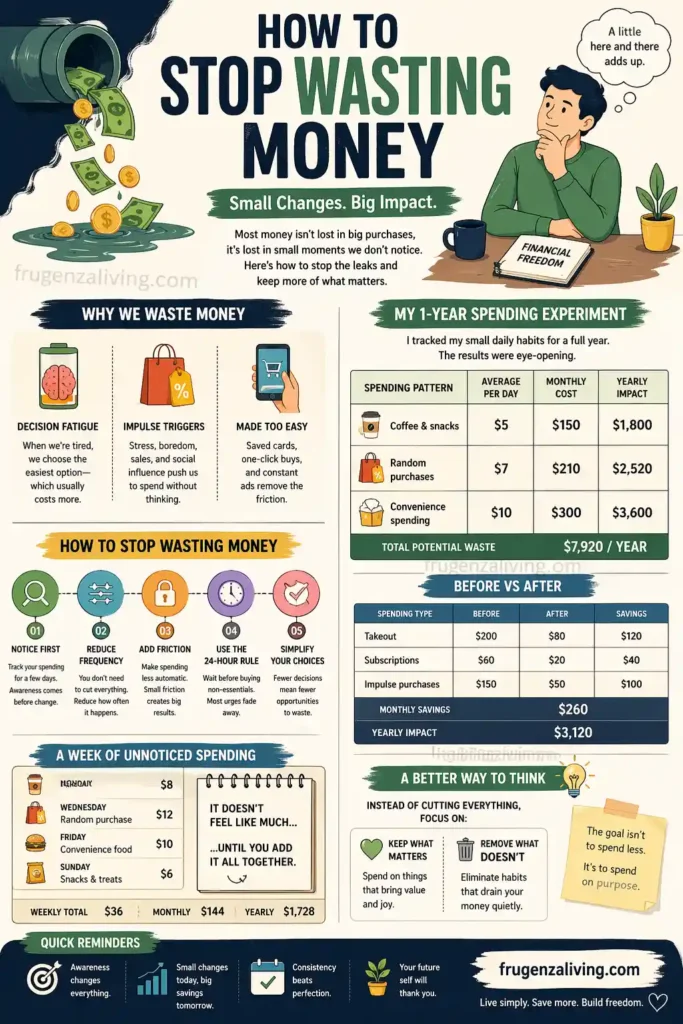
1. Start Noticing Small Spending
Don’t try to fix everything at once.
Just observe.
Write down your spending for a few days—even roughly. You don’t need perfect tracking. You just need awareness.
One of the most effective steps is to avoid overspending that often goes unnoticed.
Most people underestimate how much they spend on small things.
2. Reduce Frequency, Not Everything
Trying to cut everything often leads to burnout.
Instead, reduce how often it happens.
- takeout 4 times a week → 2 times
- random purchases → once per week
- convenience spending → planned alternatives
This keeps your lifestyle intact while reducing waste. If you’re just starting out, this frugal living for beginners explains how to avoid wasting money from the beginning.
3. Add Small Friction
Make spending slightly harder.
- remove saved payment methods
- log out of shopping apps
- avoid one-click purchases
When something takes a little more effort, you’re more likely to pause and reconsider.
This will also help you cut your monthly expenses and free up more money.
4. Use a 24-Hour Rule
If something isn’t essential, wait before buying.
This simple delay separates impulse from intention.
In many cases, the urge disappears.
5. Simplify Your Choices
Too many choices lead to more spending.
So reduce them.
- repeat simple meals
- shop at the same stores
- avoid browsing without purpose
Less decision-making means fewer opportunities for unnecessary spending.
Building frugal habits that actually work makes it easier to stop wasting money.
Use the 3-Day After-Purchase Check
The 24-hour rule helps before you buy. The 3-day check helps after you buy. Both are useful because some purchases seem smart in the moment but feel unnecessary once the excitement fades.
Three days after buying something non-essential, ask yourself: Did I use it? Did it solve the problem I bought it for? Would I buy it again today at the same price?
If the answer is no, write it down as a spending lesson. Maybe the problem was boredom. Maybe the item looked useful but did not fit your real routine. Maybe the discount made the purchase feel urgent. Over time, these small reviews help you understand your real spending patterns.
This is especially helpful for online shopping, sale purchases, convenience spending, and small upgrades. You are not just delaying purchases. You are training yourself to recognize which purchases actually hold value after the moment passes.
Create a “Do Not Rebuy” List
A “do not rebuy” list is a simple list of things you have bought before but do not want to buy again. It can include snacks you do not actually enjoy, clothes you rarely wear, apps you forget to use, sale items that sit unused, or convenience purchases that always feel regrettable later.
This list is powerful because most people repeat the same spending mistakes without noticing. They buy the same type of item again because the situation feels new, even though the pattern is familiar.
Keep the list short and practical. You might write: “Do not buy clothes just because they are on sale,” “Do not order delivery when there is an easy backup meal,” or “Do not renew apps I have not used in 30 days.”
This turns past spending into a personal rule. Instead of relying on motivation every time, you create a reminder that protects you from repeating the same waste.
Data from My 1-Year Spending Experiment
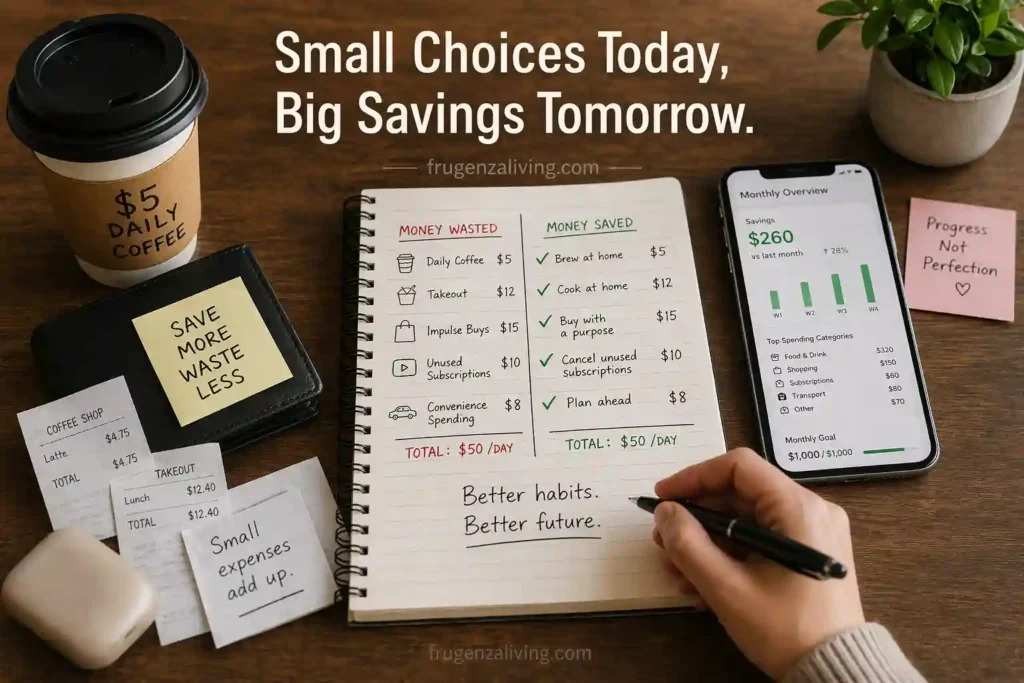
After tracking small expenses over time, I started to notice a pattern.
It wasn’t the big purchases that made a difference—it was the consistency of small habits that felt harmless in the moment.
Here’s a simplified version of what that looked like:
| Spending Pattern | Average per Day | Monthly Cost | Yearly Impact |
|---|---|---|---|
| Coffee & snacks | $5 | $150 | $1,800 |
| Random purchases | $7 | $210 | $2,520 |
| Convenience spending | $10 | $300 | $3,600 |
Total potential waste: $7,920/year
None of these felt like a problem individually.
But seeing them together changed how I thought about spending.
The most useful part of this experiment was not the exact number. It was seeing which spending habits repeated without giving much value back.
A few dollars here and there did not feel serious, but the pattern made the real cost easier to see.
This is why a spending experiment can be more helpful than a strict budget. A budget tells you what you planned to spend. A spending experiment shows what you actually do when life is normal, busy, stressful, or unplanned.
If you try this yourself, do not track forever. Track long enough to find the pattern. Once you know the pattern, choose one change that prevents the same waste from repeating.
Before vs After Reducing Expenses
Small adjustments—not extreme changes—can create meaningful results.
| Spending Type | Before | After | Savings |
|---|---|---|---|
| Takeout | $200 | $80 | $120 |
| Subscriptions | $60 | $20 | $40 |
| Impulse purchases | $150 | $50 | $100 |
Monthly savings: $260
Yearly impact: $3,120
This isn’t about restriction—it’s about awareness and consistency.
A Simple Weekly Simulation
To make this more realistic, here’s what a typical week of unnoticed spending can look like:
- Monday → $8 takeout
- Wednesday → $12 random purchase
- Friday → $10 convenience food
- Sunday → $6 snacks
👉 Weekly total: $36
👉 Monthly: $144
👉 Yearly: $1,728
This is how money disappears—not all at once, but gradually.
Simple System to Control Spending
Instead of strict budgeting, think in two categories:
- Automatic spending → happens without thinking
- Intentional spending → happens after a pause
Your goal isn’t to eliminate spending.
It’s to shift more of it into the intentional category.
Even small changes can help you cut everyday costs over time.
A Better Way to Think About Money
Most people approach saving by trying to cut costs.
But that often feels restrictive.
A more sustainable approach is this:
Focus on keeping what actually matters—and reduce what doesn’t.
This way, you’re not removing enjoyment—you’re removing waste.
FAQ: How to Stop Wasting Money
Why do I waste money so easily?
Because most spending decisions are automatic. Small purchases don’t feel significant, so they happen frequently without being noticed.
How can I control spending habits?
Start by tracking your spending and adding small delays before buying. Awareness alone can reduce unnecessary expenses.
Is small spending really a problem?
Yes. When repeated often, even small amounts can add up to thousands over time.
What is the fastest way to save money?
Reduce frequent small expenses first. They are easier to adjust and have a large combined impact.
How do I stop impulse buying?
Use a delay rule, remove easy payment options, and avoid shopping when you’re tired or emotional.
Ending
Stopping money waste doesn’t happen all at once.
It starts with noticing things you used to ignore.
A purchase here. A habit there. A decision you didn’t question before.
Over time, those small changes shift how you spend.
Not perfectly.
Not instantly.
But enough to make a real difference.

The ideas shared here come from real-life experience and practical habits that actually work.
→ Read more about Jeffi
- No Spend Month Challenge for Beginners: A 30-Day Plan - September 24, 2026
- Low Buy Month Challenge: Realistic Rules for 30 Days - September 23, 2026
- How to Stop Buying Groceries You Already Have - September 20, 2026